
There comes a point in the life of a small business, charity or members’ group when the spreadsheet stops helping and starts causing confusion. One version sits on someone’s laptop, another in a shared drive, and a third has different notes tucked into the final column. Nobody plans for that drift. It happens when contacts, enquiries and follow-ups start piling up faster than the admin work can be handled.
The issue is rarely just “too much data”. More often, it is too many slightly different ways of recording the same thing. A customer might be logged as a lead in one file, a past client in another, and an active account in a third. The result is wasted time, repeated work, and the odd awkward email sent to the wrong person at the wrong stage.
When Off-the-Shelf Tools Don’t Quite Fit
That is why more firms are looking closely at what a bespoke CRM system means in practice. Not a flashy dashboard for its own sake, but software that matches the way a business actually runs: how enquiries come in, how jobs are quoted, how relationships are managed, and where information usually goes missing. For organisations with unusual workflows, that fit can matter more than a long list of generic features.
It is not only about sales teams, either. A well-planned CRM approach can help with:
- keeping a clear record of conversations
- reducing duplicate data entry
- making handovers between staff less chaotic
- spotting patterns in repeat enquiries or drop-offs
None of this is glamorous, but that may be the point. Good systems often work by making everyday tasks less fragile. When people trust where information lives, they spend less time chasing admin and more time dealing with actual people. For many organisations, that is when digital housekeeping becomes something genuinely useful.
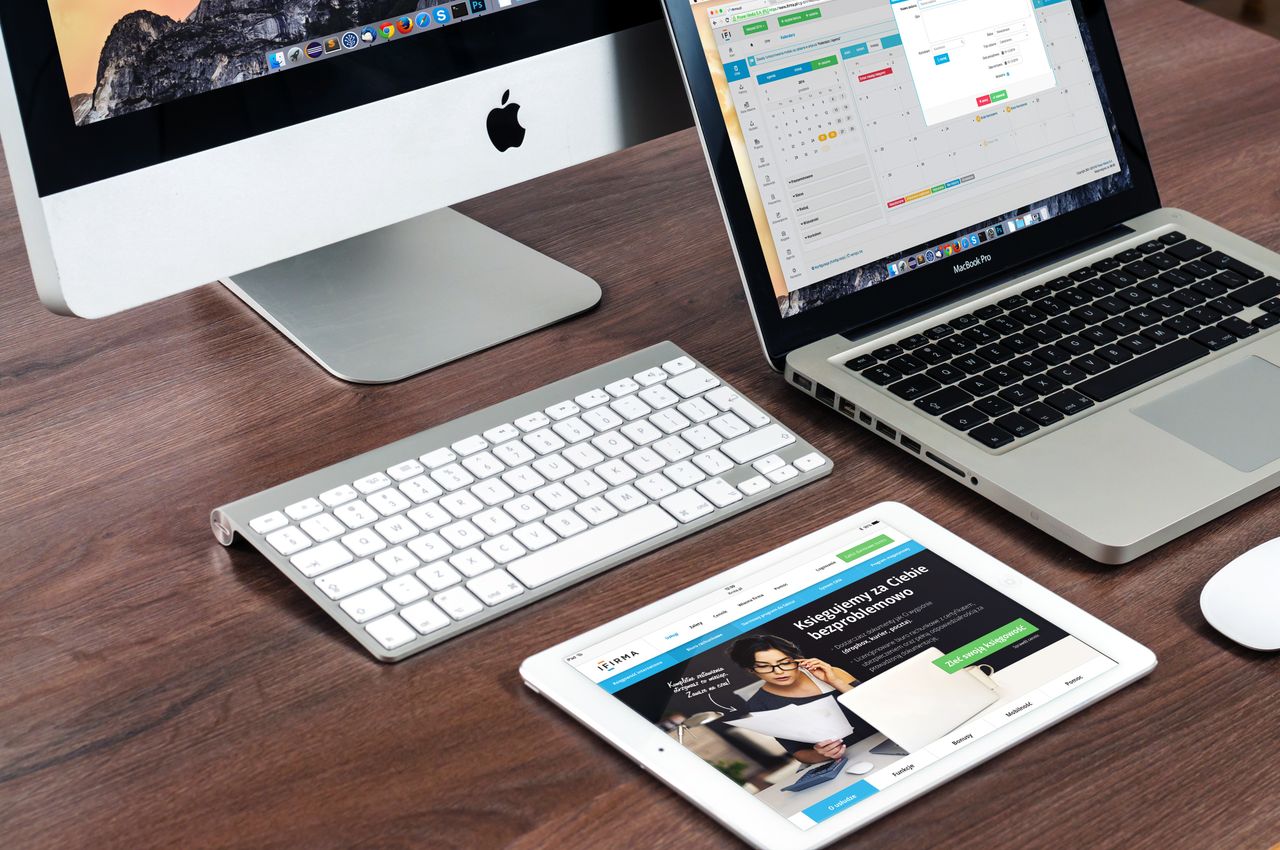
Featured image credit: by RDNE Stock project via Pexels.